

Complete Gas Furnace Buying Guide in Oakland County
Your Home is Unique
What goes through your mind?
-
How much is this going to cost?
-
Can I trust the HVAC contractor to do the work right and safely?
-
What are the top-rated home gas furnaces options and which one fits my home?
-
How long will the house be without heat and how messy is the process?
-
Will a higher‑efficiency model actually lower my gas bill?
-
What will warranties and maintenance look like after installation?
Table of Contents
- Chapter 1: What Factors Determine the Cost of a New Gas Furnace?
- Chapter 2: What Happens During a Furnace Assessment and Sizing?
- Chapter 3: Choosing the Right Gas Furnace for Your Home
- Chapter 4: What Is Included in a Professional Furnace Installation?
- Chapter 5: Understanding Efficiency and Operating Costs
- Chapter 6: What Warranties Are Available on Gas Furnaces?
- Chapter 7: Maintenance After Your New Furnace Is Installed
- Chapter 8: Financing and Payment Options
- Chapter 9: Next Steps — How to Get Started
- Bid Comparison Worksheet
- Red Flags to Watch For
- Glossary of Terms
What Factors Determine the Cost of a New Gas Furnace?
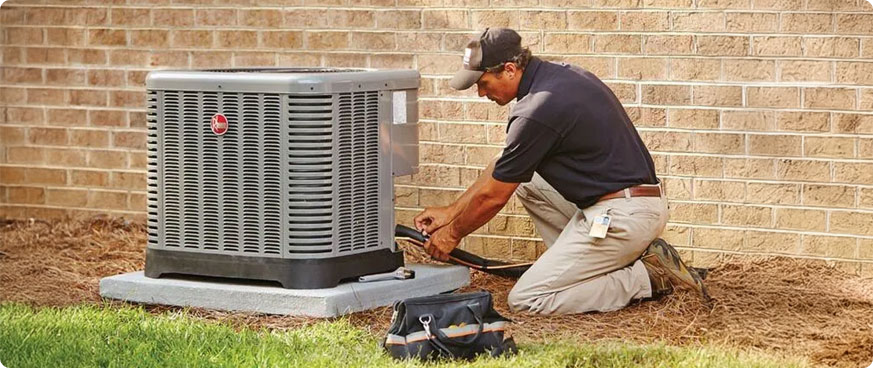
The elephant in the basement: price
Most companies tiptoe around furnace installation cost along with installation and maintenance like it is impolite dinner talk. It should not be. This is a major home system. Here are transparent ranges seen in Oakland County for a typical furnace replacement cost that includes standard materials and a professional installation:
-
80 percent AFUE, single stage: about 3,000 to 3,800 dollars
-
95 to 96 percent AFUE, high efficiency: about 4,200 to 5,600 dollars, depending on size and features
The ten big cost factors
These factors aren’t isolated, they interact, like how higher efficiency might require venting changes
that add to complexity. For you in Oakland County, understanding them means spotting value in quotes beyond the bottom line; John shares that a slightly higher upfront cost often leads to quieter, more efficient winters and fewer repairs down the road.
Quick definitions
-
AFUE is Annual Fuel Utilization Efficiency. A 96 percent AFUE furnace turns 96 percent of purchased fuel into usable heat in the home.
-
BTU is British Thermal Unit. A unit of heat. Furnaces list input and output BTUs.
-
ECM is an efficient DC motor used in modern blowers. Variable speed ECMs can run very quietly at low speed.
-
Heat exchanger is the metal heart that transfers heat from the flame to the home’s air stream.
-
Plenum and return drop are the supply and return boxes that connect the furnace to the duct system.
-
Condensate is water formed when high efficiency furnaces wring extra heat from exhaust. It drains through a trap or pump.
Three price scenarios to make it real
Scenario A: Small ranch, 1,200 square feet.
-
Likely size after proper load calculation: about 60,000 to 70,000 BTU output
-
Options: 80 percent single stage or 95 percent single stage with variable speed blower
-
Typical range: 3,000 to 4,800 dollars depending on efficiency and accessories
-
Common add-ons: new filter rack, simple return improvement, smart thermostat
Scenario B: Mid-size colonial, 2,000 square feet.
-
Likely size after load calculation: about 70,000 to 80,000 BTU output
-
Options: 95 to 96 percent two stage with variable speed blower for quieter, steadier heat
-
Typical range: 4,600 to 6,600 dollars depending on staging and venting route
-
Common add-ons: chimney liner removal if converting to PVC, humidifier, media filter cabinet
Scenario C: Older farmhouse, 2,400 square feet.
-
Often oversized currently, for example an old 120,000 BTU input unit
-
Right sizing may land near 80,000 to 90,000 BTU output once ducts are assessed
-
Typical range: 5,200 to 7,800 dollars because of duct work adjustments, return upgrades, and chimney considerations
-
Common add-ons: additional return, PVC vent run, condensate pump and drain routing, sealing obvious duct leaks
Two estimates, 1,500 dollars apart — where the gap came from
Why quotes diverge
-
Different assumptions about duct repairs or returns
-
Chimney liner included on one and not on another
-
Venting complexity underestimated
-
Filter rack size and type not matched to the blower
-
Accessories bundled or left out
-
Permit and inspection fees missing from a low bid
What it means for you: The cheapest number on paper isn’t always the cheapest in reality. John says he’s re-bid plenty of jobs where the “winner” came back later with surprise charges. A clear scope, with duct work, venting, and permits spelled out, keeps you from paying twice.
Cost pitfalls to avoid
Even with good intentions, some decisions end up costing more over the life of the furnace. These are the traps John sees most often during replacements in Oakland County homes.
-
Choosing the biggest furnace because it seems “safer.” Oversizing creates short cycles and noisy starts.
-
Skipping a chimney liner when another appliance still uses that chimney. This can create unsafe draft conditions.
-
Ignoring filter rack size. A too-small rack strains the blower and can raise noise.
Questions to ask about pricing
-
What size are you proposing and how did you calculate it?
-
What duct changes or returns are included?
-
How will the furnace be vented and is a chimney liner required for other appliances?
-
What filter rack size are you installing and what filter type will it accept?
-
Are permits and inspections included in the price?
-
What is the warranty coverage on parts and labor?
What a pro should do
-
Perform a Manual J load calculation rather than guessing from the old unit
-
Inspect and measure returns and supplies
-
Provide a written scope with model numbers, venting plan, and accessories
-
Show commissioning readings at the end of the job
What Happens During a Furnace Assessment and Sizing?
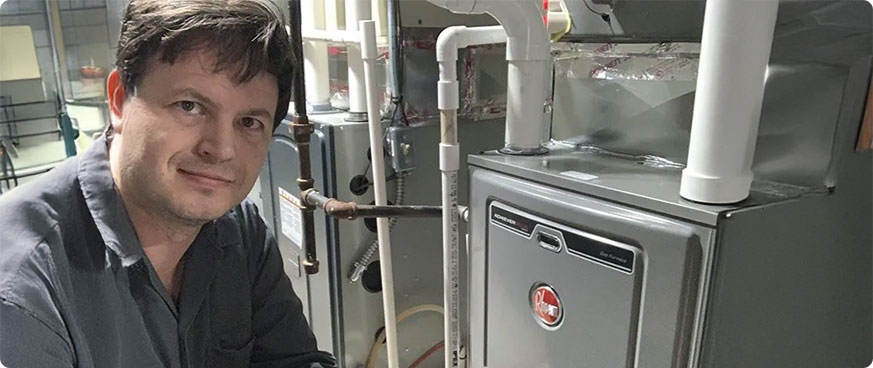
Manual J Load Calculation
What to have ready:
-
Clear access to rooms and attic/basement areas
-
A list of comfort issues (cold spots, drafts, noise)
-
Existing thermostat type and settings
-
Having these details on hand makes the calculation faster and ensures the furnace chosen is a perfect match for your daily life.
Why it matters: Oversized furnaces often short cycle, causing uneven temperatures, higher wear on components, and wasted energy. A right-sized system runs in longer, quieter cycles, delivering steadier comfort while lowering operating costs.
How a load calculation actually gets done
The technician typically measures or reviews room dimensions, notes window sizes and directions, and checks insulation levels based on the home’s age. Infiltration is estimated from construction tightness or blower door tests if available. A design winter temperature is chosen, and specialized software then produces BTU recommendations for the entire house and for each room.
Ductwork and airflow check
What to have ready:
-
Clear space around ducts and furnace for inspection
-
Notes on which rooms feel too hot or cold
-
Any past duct or filter changes
Sharing these insights helps your contractor spot patterns quickly, saving you guesswork and ensuring airflow is balanced throughout the home.
Story: the thermostat tug of war
Two family members disagreed about the thermostat—one kept raising it because the upstairs bedrooms were colder. An inspection revealed a starved return duct on the second floor. By adding a new return and programming the blower to circulate air on low between heating calls, the problem was solved without overheating the whole house.
Gas line and venting safety review
Safety comes first with gas and venting. The contractor verifies pipe size, connections, and shut-off valves. For 80% furnaces, the chimney may need a liner. High-efficiency models vent through PVC pipes, which require proper slope, supports, and safe outdoor termination. Catching issues here prevents carbon monoxide hazards and ensures code compliance for peace of mind.
What to have ready:
-
Easy access to the gas meter and shutoff
-
Photos or notes on past venting or chimney work
-
Space cleared near furnace and water heater
How long it takes
Most assessments take 45 to 90 minutes. Larger homes or complex ductwork can extend the visit, especially if detailed measurements are required. Furnace maintenance service or installation planning may also add time, but the upfront effort prevents costly mistakes later.
Case story: the oversized classic
A 2,000 square foot home had a 120,000 BTU input furnace. The load calculation showed an actual need closer to 70,000 BTU output. The replacement used a right-sized high-efficiency unit with a variable-speed blower. Result: fewer temperature swings, quieter nights, and a noticeable drop in gas use during cold weeks.
Questions to ask at the estimate
-
Will you calculate load using Manual J or similar software?
-
What is the proposed output BTU and why?
-
What changes, if any, are you recommending to the returns or filter rack?
-
How will the furnace be vented? If switching to PVC, what happens to the existing chimney and other appliances on it?
Red flags
-
No load calculation, just matching the old furnace size
-
No discussion of duct sizing or return air
-
No mention of permits or inspection
-
A quote that lists only a brand and a number with no scope
What a pro should do
-
Measure or model the home rather than guessing
-
Photograph existing venting and gas connections
-
Identify simple duct improvements that will help airflow
-
Provide a clear written plan in the estimate
Choosing the Right Gas Furnace for Your Home
Which AFUE makes sense here?
Staging 101
Furnaces vary in how they deliver heat. Single-stage models operate at full output until the thermostat is satisfied, simple, dependable, and efficient. Two-stage models start on low for quieter, gentler heating, then shift to high when more warmth is needed, reducing swings and blasts of air. Modulating systems take this further by adjusting in small increments, maintaining steady comfort with the quietest operation, though they carry higher upfront costs.
Blower technology, explained simply
All modern furnaces use efficient ECM blower motors, but true variable-speed ECMs can run continuously at very low levels between heating calls. This means quieter operation, steadier room-to-room temperatures, and improved air quality since filtration works better when air is always moving slowly through the filter.
Comfort profiles to help you choose
-
Work from home: Two-stage or modulating systems with variable speed keep calls and focus uninterrupted by noisy blasts.
-
Shift worker: Two-stage furnaces on low help maintain comfort during daytime sleep.
-
Open floor plan: Continuous low circulation keeps large spaces balanced without drafts.
-
Older windows: Sealed combustion with humidity control makes lower setpoints more comfortable.
Features that are worth it in Michigan winters
| Home Style / Priority | Best Fit Furnace Setup | Why it Works |
|---|---|---|
|
Work-from-home, noise sensitive |
Two-stage with variable-speed blower |
Quieter starts and fewer noticeable shifts during calls and Zoom meetings. |
|
Split-level or multi-story |
Two-stage with circulation set to low |
Gentle, longer runs help even out levels without blasting heat. |
|
Open floor plan |
Single-stage with variable-speed blower |
Low, continuous circulation keeps temps steady across large spaces. |
|
Older farmhouse, long ducts |
Modulating with variable-speed blower |
Fine-tuned staging holds distant rooms closer to setpoint. |
|
Typical suburban home |
Single-stage, 95% with variable speed |
Reliable, efficient, and cost-effective—John’s go-to for most replacements. |
Simple decision guide
-
Value-focused homes with even comfort: 95 percent single-stage with variable-speed blower.
-
Noise-sensitive or draft-averse households: 95–96 percent two-stage with variable-speed blower.
-
Large or multi-level homes with uneven temperatures: 95–96 percent modulating with variable-speed blower.
If this sounds like your house
Some common scenarios highlight the difference features can make. A split-level home with a cold lower floor benefits from a two-stage furnace that runs longer on low speed to balance comfort. A nursery near the furnace room stays quieter with a variable-speed model that avoids loud startups. And in older farmhouses with long duct runs, modulating heat paired with low continuous circulation helps keep remote rooms closer to the setpoint.
Questions to ask
-
What is the expected sound level, and how will this model be set to run at night?
-
Will the blower be set to circulate between calls, and can I adjust that?
-
What filter sizes will this rack accept, and what MERV rating do you recommend for typical use?
What a pro should do
-
Offer options aligned to comfort priorities and budget
-
Explain staging and blower differences in plain language
-
Match the filter rack size to the blower capability for lower resistance
What Is Included in a Professional Furnace Installation?
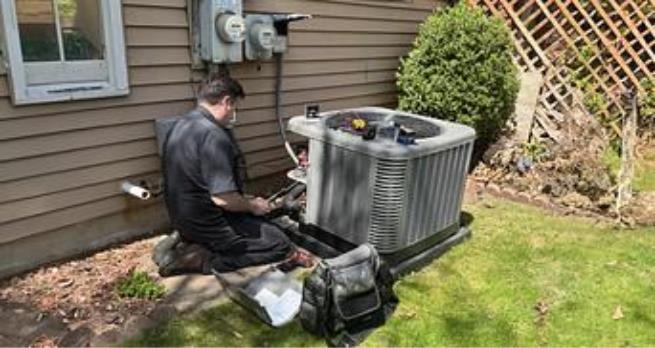
Day of installation timeline
-
Arrival and protection. Technicians place floor runners and stair protection from the entry to the mechanical area. Tools and materials are staged neatly to keep pathways clear.
-
Power and gas are off. Fuel and power are safely shut off, and then the old furnace is disconnected.
-
Removal. The old unit and any accessories are removed to replace gas furnace and set aside for hauling. Large pieces are carried out with floor protection in place.
-
Set and connect. The new energy efficient furnace is set in place, transitions to the plenum and return drop are sealed, and electrical and controls are connected.
-
Filtration and accessories. A proper filter rack is installed. Humidifiers or air cleaners are connected if included in the scope.
-
Startup and commissioning. Gas pressure, temperature rise, blower speeds, and safety devices are verified. Startup readings are recorded for the homeowner.
-
Cleanup and walkthrough. The work area is cleaned, and the homeowner is shown the basics of filter changes and thermostat use.
Commissioning, explained in plain English
Cleaning up the job site
-
Remove protective coverings: Floor runners and tarps are pulled up carefully. A quick sweep is done for stray screws or metal shavings. A small rolling magnet is used if needed.
-
Debris removal: Cardboard, shrink wrap, old filters, cutoff duct pieces, and packaging are bagged and hauled off. If a household trash can is used with permission, it is emptied, and the bag is replaced.
-
Old equipment handling: The legacy furnace and related metal components are loaded for recycling. If a water heater still uses the chimney, the old B-vent is left in place or relined according to scope.
-
Condensate and water: Residual water in old traps is drained. The new trap or pump is verified to drain correctly with no drips under the cabinet.
-
Floors and surfaces: The floor around the return drop and plenum is shop-vacced. The new cabinet exterior and any nearby shelves that were handled are wiped down.
-
Fastener sweep: A magnet and quick hand check are used around the work zone to pick up sheet metal screws, drill shavings, and wire clippings.
-
Penetrations and venting: Any abandoned penetrations are addressed per the scope. If a separate chimney liner is required for another appliance, the homeowner is notified and that work is scheduled separately if it is not part of this project.
-
Filter and access: A fresh filter is installed. Extra filters, if provided, are stored neatly nearby. Panel doors are secured with all screws present.
-
Homeowner handoff tidy ups: Paper manuals, a thermostat guide, and warranty or registration instruction sheets are placed in a labeled folder. A small label with model and serial information and startup readings is placed on the cabinet side so the next technician can find it.
-
Final area check: The pathway to the exit is rechecked, doors or gates are closed, and lights are turned off in the furnace room.
-
Timing expectation: Cleanup usually takes 30 to 60 minutes depending on packaging volume and whether accessories were removed.
-
After the crew leaves: A slight “new furnace smell” during the first few heat cycles can be normal. A brief window crack or a fan-only run can help. The first filter check is suggested at two to four weeks if ducts were dusty.
-
Disposal logistics: Metal is recycled where possible. Mixed waste is taken to an appropriate facility. Nothing is left on site unless arranged in advance.
What can slow a project
-
Special order equipment or accessories
-
Shift worker: Two-stage furnaces on low help maintain comfort during daytime sleep.
-
Severely undersized returns that need new runs
Questions to ask before installation day
-
How will the new furnace be vented, and where will the pipes exit?
-
Will a chimney liner be installed, and what happens with other appliances on that chimney?
-
What filter size will be installed, and where will replacements be purchased?
-
What startup readings will be provided at handoff?
What a pro should do
-
Stage materials in advance to avoid mid-day supply trips
-
Protect floors and stairs
-
Seal duct transitions and set blower speeds to match the duct system
-
Provide written commissioning readings at the end
Understanding Efficiency and Operating Costs
AFUE on the bill, a simple example
Habits that help
-
Use steady setpoints during deep winter, or choose a smart thermostat with adaptive recovery.
-
Replace filters on schedule to maintain smooth airflow and reduce blower strain.
-
Keep supply and return registers clear of rugs, drapes, and furniture.
-
Run the fan on low during gatherings to even out temperatures.
-
Close garage-to-house doors promptly in extreme cold to limit heat loss.
How operating cost really varies
-
Colder winter: A harsher season can add 10 to 20 percent to therm usage regardless of equipment. Efficiency still helps, but weather swings matter.
-
Thermostat strategy: Large daily setbacks can cause long recovery burns. Steady setpoints or smart adaptive recovery smooth the load.
-
Duct leakage: A leaky return can pull cold basement air into the system, increasing run time.
Duct sealing and filter racks
Story: the noisy hallway fixed by a filter rack
Thermostat habits that help
-
Use steady setpoints during deep winter. Significant daily setbacks can cause long recovery burns.
-
If you prefer to use a smart thermostat, consider one with adaptive recovery that starts early to meet the set time.
-
Pair smart controls with a variable speed blower for smoother temperature transitions.
Humidity and comfort
Quick guide to winter indoor humidity targets.
-
30 percent when it is 10 degrees outside
-
35 percent when it is 20 degrees outside
-
40 percent when it is 30 degrees outside
Energy habits cheat sheet
-
Keep supply and return registers unblocked by rugs or furniture
-
Replace filters on schedule.
-
Use the circulating fan mode on low during gatherings to keep temperatures even
-
Close garage-to-house doors quickly in extreme cold
What a pro should do
-
Set temperature rise and blower speeds according to manufacturer specifications
-
Confirm proper vent slope and condensate drainage on high efficiency units
-
Verify that filter rack size and filter type are appropriate for the blower
What Warranties Are Available on Gas Furnaces?
Manufacturer coverage
-
Parts warranty: Many furnaces for houses provide a 10-year warranty on covered parts when registered adequately within the required window.
-
Heat exchanger: Many Energy efficient furnace models offer limited lifetime coverage. Many 80 percent models list 20 years. Wording varies by brand. Registration is required in most cases.
Labor coverage
-
Standard labor: Many installers include one year of labor coverage on new installations.
-
Extended labor: Third-party or manufacturer-backed labor plans of five to ten years are sometimes available for a fee. With extended labor, covered failures are repaired without out-of-pocket labor cost during the term. Read the terms for maintenance requirements and claim procedures.
Registration and transfer
Story: selling in spring with warranty transfer
What can void coverage, in real life
-
Water damage: A flooded basement damaged a furnace control board. The parts warranty excluded water damage. Insurance covered the flood, but the manufacturer did not cover the part.
-
Skipped maintenance: A homeowner went several seasons without a check. A failed inducer caused by a clogged drain did not qualify for extended labor coverage because the plan required annual service. The repair still happened, but the claim was denied.
-
Unlicensed changes: A friend added a humidifier and drilled into the cabinet. The manufacturer considered it a modification and denied a later claim.
Documents to keep from day one
-
Registration confirmation email or certificate
-
Installation invoice with model and serial numbers
-
Maintenance invoices and notes
-
Extended labor plan agreement and claim phone number
How to transfer a warranty, step by step
-
Locate the brand’s transfer policy on the registration site or in the warranty booklet.
-
Gather documents: registration confirmation, model and serial numbers, installation invoice, and maintenance records.
-
Complete the online or paper transfer within the allowed window after closing.
-
Pay the transfer fee if applicable.
-
Provide the buyer with copies and keep a copy for your records.
Questions to ask
-
How long is the parts warranty, and is registration required?
-
Is the heat exchanger warranty lifetime or a set number of years?
-
Is a labor plan available, and what are the maintenance requirements?
-
Are warranties transferable to a new owner, and what are the fees and deadlines?
What a pro should do
-
Provide model and serial numbers on the final invoice
-
Provide clear instructions for product registration and any transfer process
-
List maintenance requirements that keep coverage valid
Maintenance After Your New Furnace Is Installed
What a professional tune-up includes
-
Inspect and tighten electrical connections.
-
Clean flame sensor and burners as needed
-
Clear condensate traps and lines on high-efficiency units
-
Test safety controls and pressure switches
-
Measure gas pressure, temperature rise, and blower amperage.
-
Verify proper venting and combustion ai.r
Filters: small habit, big payoff
-
Fiberglass filters: Cheap and low resistance, but catch the least. Often changed monthly.
-
Pleated filters, MERV 8 to 11: Good balance of capture and airflow for most homes. Typically changes every one to three months.
-
Deep media filters, MERV 11 to 13: Larger surface area, lower resistance at the same rating, and often changed every six to twelve months.
Seasonal maintenance calendar
-
September: Schedule the annual Heating system repair or maintenance before the deep cold. Check the humidifier pad and water line.
-
December: First winter filter check. Adjust humidity targets if windows fog.
-
February: Mid-season quick check of filter and vents. Clear snow from any outdoor terminations for high-efficiency units.
-
Apri: End-of-season note of any noises or issues to discuss before next winter.
Story: the maintenance save
DIY tasks versus pro tasks
-
Homeowner: Replace filters, keep supplies and returns unblocked, keep storage away from the furnace, and watch for water near the cabinet on high efficiency units.
-
Professional: Combustion and gas checks, inside-cabinet cleaning, control diagnostics, pressure and temperature measurements, and warranty repairs.
Questions to ask
-
What filter type and size should be used, and how often should it be changed?
-
What are the signs that a service call is needed immediately versus waiting?
-
What maintenance records should be kept for warranty purposes?
What a pro should do
-
Leave a filter size label on the cabinet
-
Provide a simple maintenance checklist at installation handoff
-
Document readings and any advisories after each tune-up
Financing and Payment Options
How financing typically works
Two quick stories
-
Cash buyer: Dana budgeted for a 95 percent single-stage furnace in house with a variable speed blower and paid at completion. The project was scheduled quickly, and the paperwork was simple. Dana kept copies of the invoice and registration email for records.
-
Financed buyer: Marco chose a two-stage system and spread payments over several years. The lender offered several APRs and terms. Marco compared the total cost of different terms, chose a payment that fit his budget, and set calendar reminders for the first payment and the warranty registration window.
Terms explained simply
-
APR The interest rate for the loan.
-
Term The length of time the loan will be paid back.
-
Deferred interest Some plans delay interest for a period. If the balance is not paid by the deadline, interest can be charged from the purchase date.
-
Prepayment penalty A fee that some plans charge if the loan is paid off early. Many plans do not have this.
Checklist before signing
-
Compare APR across term lengths.
-
Confirm there is no prepayment penalty if early payoff is possible.
-
Understand whether deferred interest accrues retroactively if not paid in time.
-
Ensure the loan amount matches the signed proposal and scope.
Questions to ask
-
What happens if equipment changes after approval?
-
Can rebates or incentives be combined with this loan?
-
Who do I contact for billing questions?
What a pro should do
-
Provide a written scope that matches the financed amount
-
Explain where to find the lender’s customer service contacts
-
Provide all documents needed for rebates or incentives
Next Steps — How to Get Started

-
Schedule an in-home assessment: Measurements, a safety review, and a discussion of comfort goals set the plan.
-
Compare clear options: Look at single-stage, two-stage, and modulating packages matched to the home and budget.
-
Pick an installation date: Most replacements are completed in one day. More complex projects can take a second day.
-
Keep records: Save the registration confirmation, final invoice, and maintenance logs.
Bid Comparison Worksheet
Sizing and design
-
Manual J or similar load calculation included
-
Proposed output BTU and staging explained
-
Return and filter rack size matched to blower
-
Venting route and terminations shown
Scope and materials
This section shows exactly what equipment and accessories are included in the bid.
-
Model numbers for furnace and accessories
-
Chimney liner or PVC venting is listed if needed
-
Humidifier or air cleaner listed if included
-
Thermostat model listed if included
Installation and commissioning
-
Permits and inspections included
-
Startup readings promised at handoff
-
Cleanup steps listed
Warranties and maintenance
-
Parts warranty term and registration requirement
-
Heat exchanger term spelled out
-
Labor coverage length and provider
-
Maintenance requirements listed
Price clarity
-
All fees included
-
Payment terms listed
-
Change order process described
Red Flags to Watch For
-
No load calculation, only matching the old size
-
No mention of permits or inspection
-
Vague scope with no model numbers
-
Oversized recommendation without duct review
-
Pressure tactics to sign immediately
-
No startup or commissioning readings offered
Glossary of Terms

-
AFUE: Annual Fuel Utilization Efficiency. A higher number means more of the fuel becomes heat in the home.
-
BTU: British Thermal Unit. A unit of heat. Furnaces list input and output BTUs.
-
Combustion air: Air needed for the burner to operate safely. Sealed combustion units draw this from outdoors.
-
Communicating control: A control system where components share data over a low voltage bus. Useful for advanced staging but not required for comfort.
-
Condensate: Water that forms when a high efficiency furnace cools exhaust to recover more heat. It drains through a trap or pump.
-
ECM: Electronically Commutated Motor. An efficient DC blower motor that can run at variable speeds.
-
Heat exchanger: The metal component that transfers heat from the flame to the air moving through the ducts.
-
Manual J: A calculation method used to estimate the heating and cooling load of a home.
-
Plenum: The box that connects the furnace to the duct system on the supply side.
-
Return air: Air pulled from the home back to the furnace to be heated again.
-
Return drop The box that brings air from the home back to the furnace.
-
Static pressure: The resistance to airflow in the duct system. High static makes blowers work harder and increases noise.
-
Staging: The number of firing levels a furnace can use. Single stage, two stage, or modulating.
-
Temperature rise: The difference between the return air temperature and the supply air temperature across the furnace. It is set to the manufacturer’s specification.
-
Venting: The piping that carries combustion gases safely outdoors. PVC for high efficiency, metal vent or lined chimney for 80 percent units.