
You hear a click when you turn up the thermostat. Maybe you hear several clicks. But then… nothing. No whoosh of flames, no warm air, just silence after those clicks.
This clicking sound without ignition is one of the most common furnace problems, especially in older Michigan homes with gas furnaces. Here’s what’s happening.
Understanding the Click
That clicking sound is actually your furnace trying to do its job. When your thermostat calls for heat, it sends a signal to your furnace. The furnace control board responds by opening the gas valve (that’s often the click you hear) and attempting to light the burners.
The problem is that something in this sequence isn’t working correctly, so the ignition fails and the gas valve closes for safety.
The Ignition System Click
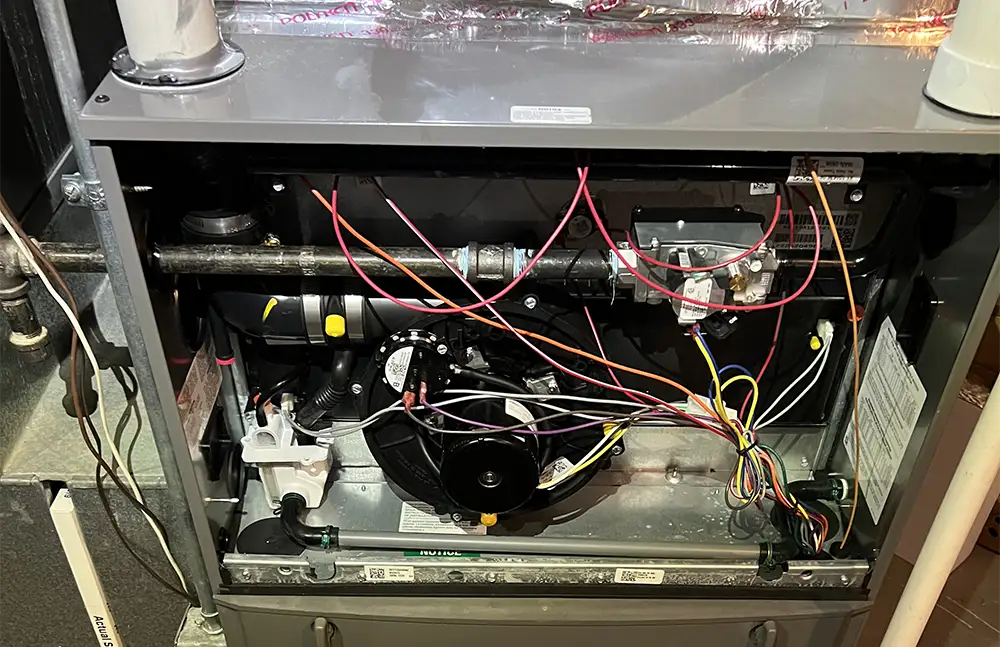
Most modern gas furnaces use an electronic ignition system instead of a standing pilot light. This system has two critical parts: the ignitor (which gets hot and lights the gas) and the flame sensor (which confirms the gas has lit).
If your ignitor is dirty, cracked, or worn out, it won’t get hot enough to light the gas. You might hear the click of the gas valve opening, but no ignition occurs. After a few seconds, the furnace gives up and shuts off the gas valve for safety.
The flame sensor can cause the same symptom even if the gas lights are on briefly; a dirty or faulty flame sensor won’t detect the flame. The furnace thinks the gas didn’t light, so it shuts everything down. This happens so quickly, you might not even see the brief flash of flame.
When Clicking Is Normal
It’s worth noting that some clicking is completely normal. If your furnace clicks once or twice and then fires up normally, you don’t have a problem. The concern is when you hear repeated clicking without the furnace actually starting, or clicking followed by complete silence.
If your furnace is clicking but not starting, the ignitor or flame sensor likely needs cleaning or replacement. This is generally a job for a professional, as these components are delicate and working around gas requires expertise.
Most Common Reasons a Gas Furnace Won’t Turn On?
Now that you’ve learned the basics, let’s look at four common reasons a gas furnace won’t start. Understanding the problem helps you know when you can fix it yourself and when to call a professional.
1. Dirty or Clogged Air Filter
We mentioned checking your filter earlier, but let’s talk about why a dirty filter is such a big deal for your furnace.
Your furnace needs steady airflow to operate safely and efficiently. When the air filter gets clogged with dust, pet hair, and debris, it’s like trying to breathe through a pillow. The furnace can’t pull enough air through the system.
Here’s what happens:
As the furnace runs with restricted airflow, the heat exchanger (the metal chamber where combustion happens) gets too hot. When it reaches a certain temperature, a safety device called the limit switch kicks in and shuts down the entire furnace to prevent damage or fire.
If your limit switch has tripped, your furnace won’t turn back on until it cools down and you fix the airflow problem. In severe cases, the limit switch itself can fail from repeated overheating, requiring replacement.
There is a simple fix. Try replacing your furnace filter with one that matches your specifications for your brand and model. It’s important to note that during Michigan’s heating season, which is generally October to April, it’s a good idea to check your filter every month. Homes with pets or high dust levels may need monthly replacements.
2. Faulty Ignition System or Flame Sensor
The ignition system is the heart of your gas furnace’s operation. Without it working correctly, your furnace is just an expensive metal box in your basement.
How the Ignition System Works
When your thermostat calls for heat, your furnace control board activates the ignitor. This component heats up to around 2,500 degrees Fahrenheit – hot enough to ignite natural gas when the valve opens. The whole process takes just a few seconds when everything works correctly.
After the gas lights, the flame sensor (a thin metal rod positioned in the flame) detects the heat. It sends a signal to the control board that says, “Yes, we have flame, keep the gas flowing.” If the flame sensor doesn’t detect flame within a few seconds, the gas valve shuts off for safety.
Common Ignition Problems
Over time, ignitors can crack or become too weak to reach the proper temperature. They’re made of silicon carbide or silicon nitride, materials that are brittle despite being heat-resistant. Even a small crack means the ignitor won’t get hot enough to light the gas.
Flame sensors fail differently – they get coated with carbon buildup from combustion. This coating acts like insulation, preventing the sensor from detecting the flame even when it’s right there. The furnace thinks the ignition failed and shuts down.
You can sometimes spot a bad ignitor by looking through the viewing window on your furnace (if it has one). When the furnace tries to start, the ignitor should glow bright orange. If it stays dark, stays dim, or glows only partially, it needs replacement.
Flame sensor cleaning is something experienced DIYers can tackle, but ignitor replacement requires care because these parts are fragile and expensive. If you’re not comfortable working around gas appliances, call a professional.
3. Gas Supply Issues
Your furnace can’t create heat without fuel, and disruptions to your gas supply will definitely prevent your furnace from turning on.
Checking Your Gas Supply
Before you assume your gas is off, do a quick check of other gas appliances in your home. Try your gas stove, gas water heater, or gas fireplace if you have them. If these work normally, your gas supply to the house is fine.
If none of your gas appliances work, you might have a service interruption or a problem with your meter. Contact your gas company immediately. Don’t assume it’s just a furnace problem if nothing gas-powered in your home works.
The Gas Valve on Your Furnace
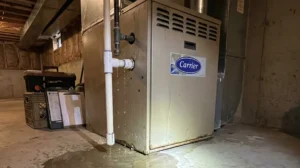
Your furnace has its own dedicated gas valve, usually located on the gas line leading into the unit. This valve should be parallel to the gas pipe when it’s open (on). If it’s perpendicular (forming a cross with the pipe), it’s closed.
Someone might have accidentally shut this valve while working in your basement, or it could have been turned off during previous maintenance and never reopened. Before you touch it, though, make sure you’re comfortable working around gas lines. If you smell gas at any point, leave your home immediately and call your gas company.
Gas Pressure Problems
Less commonly, your gas supply might be working but at insufficient pressure. This can happen if there’s an issue with your gas line or meter. Low gas pressure won’t completely prevent ignition, but it can cause the furnace to light briefly and then shut off. This requires professional diagnosis.
If you suspect any gas supply issues beyond a simple closed valve, call a professional. Working with gas isn’t worth the risk.
4. Thermostat Problems
Your thermostat is the brain that tells your furnace when to work. If the brain isn’t functioning properly, your furnace won’t know it’s supposed to turn on.
Dead Batteries
If you have a battery-powered thermostat, dying batteries are a surprisingly common cause of furnace problems. The thermostat might still display, but it doesn’t have enough power to send the signal to your furnace. Replace the batteries and wait a few minutes to see if your furnace starts.
Wiring Issues
Thermostats connect to your furnace with low-voltage wiring. If these wires are loose, corroded, or damaged, the communication breaks down. You might see error messages on your thermostat, or it might appear to work fine, but your furnace doesn’t respond.
Rodents sometimes chew through thermostat wiring in attics or walls. If you have a wireless or smart thermostat, connection problems can mimic wiring issues. Try resetting your thermostat according to the manufacturer’s instructions.
Incorrect Location
This doesn’t prevent startup immediately, but thermostats located in drafty areas, near heat sources, or in direct sunlight can read incorrect temperatures. Your thermostat might think your home is warm enough when it’s actually freezing in other rooms.
Old Age
Your thermostat isn’t going to last forever, so plan on getting about 10 to 15 years out of it. After that, they can start having problems that keep them from working properly. If your thermostat is older and you’ve ruled out the other issues we talked about, replacement might be the fix. The newer programmable thermostats are more efficient and a lot more reliable than the older ones.
If you’ve checked the batteries and settings but your thermostat still seems unresponsive, you might need a professional diagnosis to determine whether the thermostat or furnace is the problem.
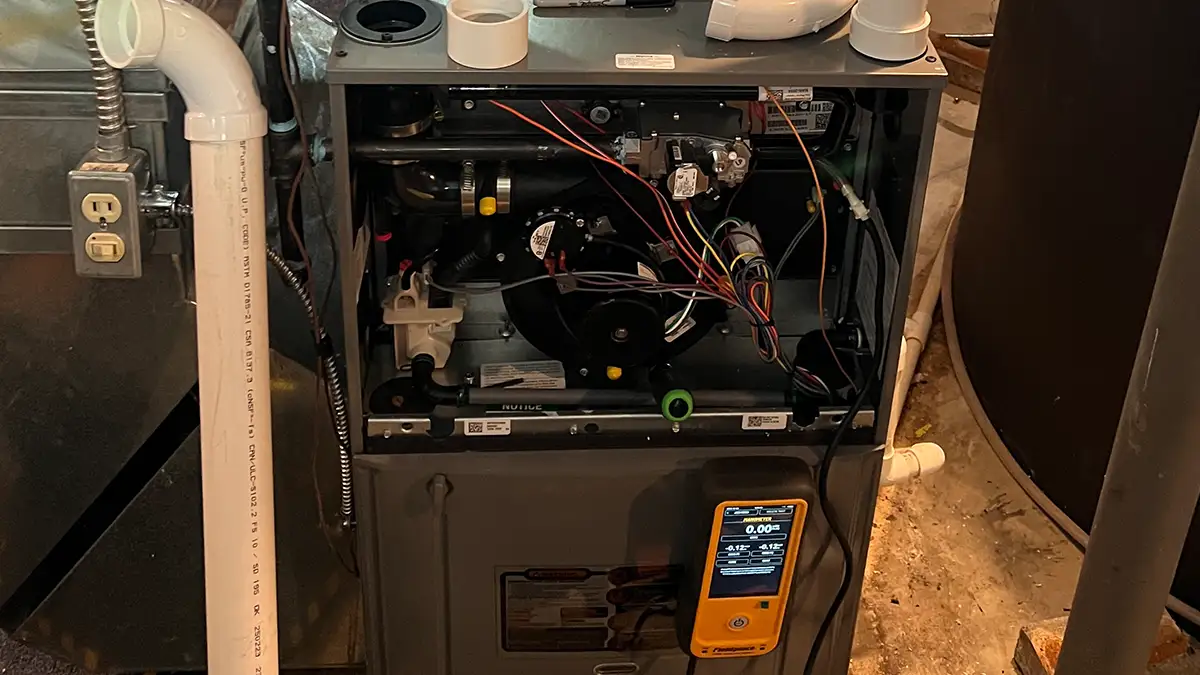
Why Is My Furnace Blowing Air But Not Heat?
This is a frustrating variation of the “furnace won’t turn on” problem. Your furnace seems to be running, you can hear the blower motor, and air is coming out of your vents. The problem? The air is cold or just barely warm.
This symptom tells you something specific: Your blower motor works fine, but the burners aren’t igniting or staying lit.
Check Your Thermostat Fan Setting
First, look at your thermostat. If the fan setting is set to “On” instead of “Auto,” your blower will run constantly whether the burners are firing or not. The “On” setting is useful sometimes, but it means you’ll get unheated air between heating cycles.
Switch the fan setting to “Auto.” In this mode, the blower only runs when your furnace is actually heating. Wait a few minutes and see if warm air starts flowing. If the air stays cold, you have a different problem.
Pilot Light or Ignition Failure
If you have an older furnace with a standing pilot light, check if the pilot is lit. You’ll need to open the furnace panel and look for a small blue flame near the burners. If it’s out, your furnace can’t light the main burners. Most furnaces have relighting instructions on the panel.
For electronic ignition systems, the issue is usually a bad ignitor or flame sensor (like we discussed earlier). The ignitor might be too weak to light the gas, or the flame sensor might not be detecting the flame and shut down the gas valve for safety.
Limit Switch Problems
The high-limit switch we mentioned before can also cause this symptom. If the switch has failed or keeps tripping due to poor airflow, it’ll let the blower run but won’t allow the burners to light.
This is a safety feature – the furnace doesn’t want to generate heat if it can’t properly move that heat through your home. Overheating can crack the heat exchanger, a major and expensive problem.
Gas Valve Issues
Sometimes the gas valve itself fails. It might be stuck in a partially open position, allowing just enough gas for the pilot but not enough for the main burners. Or the electronic gas valve might have a faulty electrical connection, preventing it from opening fully.
If your furnace is blowing cold air, the fix usually requires professional diagnosis. The blower working tells you that power and basic controls are fine, which helps narrow down the problem to the heating components themselves.
When Should I Call a Professional for Furnace Repair?
Knowing when to call a professional versus trying more DIY fixes can save you time, money, and potentially prevent dangerous situations.
Here are clear signs it’s time to schedule professional furnace repair with Oakland Heating & Cooling or another qualified HVAC technician.
Unusual Noises or Burning Smells
Loud banging, screeching, or grinding noises when your furnace tries to start aren’t normal. These sounds indicate mechanical problems – failed bearings, loose components, or issues with the blower motor or inducer fan.
A burning smell for the first hour or two of the season is normal – that’s dust burning off the heat exchanger. But if you smell burning plastic, rubber, or electrical components, shut off your furnace immediately and call for service.
Never ignore the smell of gas (which smells like rotten eggs because of an additive). If you smell gas, leave your home immediately, call your gas company, and then call an HVAC professional.
Repeated Problems After DIY Fixes
If you’ve changed the filter, checked the thermostat, and reset the breaker but your furnace keeps shutting off or won’t stay running, there’s an underlying problem that needs professional diagnosis.
Repeatedly resetting your furnace can actually cause more damage. If the same problem keeps happening, something is wrong that simple fixes won’t solve.
Carbon Monoxide Concerns
Gas furnaces produce carbon monoxide during combustion. When everything works correctly, this deadly gas vents safely outside your home. But cracks in the heat exchanger or venting problems can allow carbon monoxide to leak into your living space.
If your carbon monoxide detector goes off, leave immediately and call 911. Don’t re-enter your home until emergency responders say it’s safe. Then call an HVAC professional to inspect your furnace before using it again.
Even without an alarm, symptoms like frequent headaches, dizziness, nausea, or flu-like symptoms that improve when you leave the house can indicate carbon monoxide exposure. Get everyone out and have your furnace inspected.
Your Furnace Is 15+ Years Old
Age matters when deciding between repair and furnace replacement. If your gas furnace is 15 years old or older and experiencing problems, you need to consider whether repair makes financial sense.
Older furnaces are less efficient, meaning they cost more to run. They also need more frequent repairs as components wear out. If your repair estimate is more than 30-50% of the cost of a new furnace, replacement often makes better financial sense.
A new high-efficiency furnace can cut your heating bills by 20-30% compared to a furnace from the 1990s or early 2000s. Over time, those energy savings offset the cost of replacement.
Complex Repairs
Some repairs simply aren’t DIY-friendly, even if you’re handy. Anything involving gas lines, electrical wiring, or internal components like the heat exchanger or control board requires professional expertise and tools.
These repairs also affect your safety. An improperly repaired gas furnace can leak gas or carbon monoxide. It’s worth the service call to have these issues fixed correctly.
Don’t wait until you’re in an emergency situation on the coldest night of the year. If you’re experiencing persistent problems, call a professional before the issue gets worse.
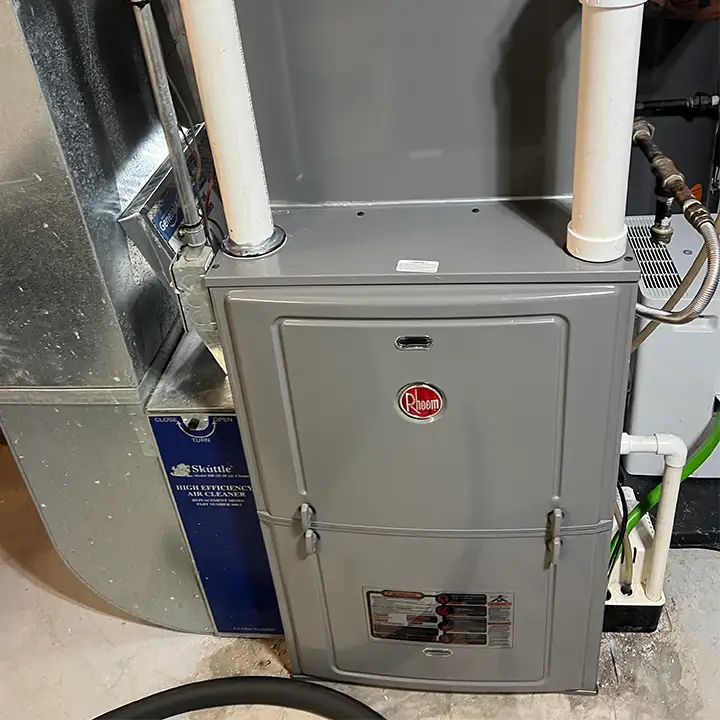
How Can I Prevent My Furnace From Not Turning On?
Prevention is always better than emergency repairs on a freezing Michigan night. Here’s how to keep your gas furnace running reliably throughout the heating season.
Schedule Annual Maintenance Before Winter
The best time to have your furnace serviced is in early fall, before you actually need it. A professional maintenance visit includes cleaning the flame sensor and burners, testing the ignition system, checking electrical connections, inspecting the heat exchanger, and measuring gas pressure.
These inspections catch small problems before they turn into system failures. A technician might notice that your ignitor is weakening or your blower motor is starting to wear out. Replacing these parts on your schedule is much better than having them fail at 2 a.m. when it’s 15 degrees outside.
Annual maintenance also keeps your furnace under warranty. Most manufacturers require proof of regular professional maintenance to honor warranty claims.
Check and Change Filters Monthly
We’ve mentioned filters several times in this article because they’re that important. Set a reminder on your phone for the first day of each month during heating season. Check your filter and change it if it’s dirty.
This simple habit prevents the majority of furnace problems. Clean filters mean better airflow, less strain on your system, lower energy bills, and better air quality in your home.
Keep the Area Around Your Furnace Clear
Your furnace needs space to breathe and proper access for service. Don’t stack boxes, store holiday decorations, or pile laundry around your furnace. Keep at least 3 feet of clearance on all sides.
Also, make sure the combustion air vents aren’t blocked. These vents (usually PVC pipes coming out of your furnace) bring in fresh air for combustion and exhaust the gases. Snow, leaves, or ice blocking these vents can shut down your furnace or create dangerous backdraft conditions.
Listen to Your Furnace
You know what your furnace normally sounds like. Pay attention to changes – new noises, longer run times, or frequent cycling. These changes often signal developing problems that you can fix before they cause a complete shutdown.
If something seems off, don’t ignore it, hoping it’ll get better. Furnaces don’t heal themselves, and small problems become big ones if left alone.
Consider a Programmable Thermostat
If you still have a manual thermostat, upgrading to a programmable or smart model helps your furnace run more efficiently. These thermostats reduce wear and tear by maintaining consistent temperatures rather than making your furnace work harder with large temperature swings.
They also prevent the common problem of someone accidentally bumping the thermostat into cooling mode or turning the system off completely.
Test Your Carbon Monoxide Detectors
Install carbon monoxide detectors on every level of your home, especially near bedrooms. Test them monthly and replace batteries twice a year (a good time is when you change your clocks for daylight saving time).
Replace the detectors themselves every 5-7 years according to the manufacturer’s recommendations. These devices save lives, but only if they’re working.
Regular maintenance and attention to your furnace’s needs can prevent most problems before they start. The small investment in prevention pays off in reliability, safety, and lower repair costs.
Gas Furnace Won’t Turn On? Oakland Heating & Cooling Can Help
When your gas furnace stops working, you need help fast. Oakland Heating & Cooling has been serving Oxford, Lake Orion, Rochester Hills, and Oakland County for over 20 years. We understand Michigan winters, and we know how urgent a non-working furnace can be for your family.
Our team offers same-day service for furnace emergencies because we know heating can’t wait when temperatures drop. We’re fully licensed and insured, and our in-house technicians (never subcontractors) have the expertise to diagnose and repair any gas furnace problem.
Whether your furnace needs a simple repair or it’s time to consider replacement, we’ll give you honest, straightforward recommendations. We explain your options clearly so you can make the best decision for your home and budget.